%2Ffit-in%2F250x250%2Fusers%2F07790dff-4fa1-43da-bee2-288bda18ca2c%2Fimages%2Fab63a06c-a399-4e7d-9424-6a11e257de70.jpg&w=1920&q=100)
/users/07790dff-4fa1-43da-bee2-288bda18ca2c/ratecard/image-2025-04-11t170044.934.png)
%2F300x300%2Fusers%2F07790dff-4fa1-43da-bee2-288bda18ca2c%2Fratecard%2Fimage-2025-04-11t170044.934.png&w=256&q=75)
%2F300x300%2Fusers%2F07790dff-4fa1-43da-bee2-288bda18ca2c%2Fimages%2Fdanford-st-fishing-trip-2639.png&w=256&q=75)
%2F300x300%2Fusers%2F07790dff-4fa1-43da-bee2-288bda18ca2c%2Fimages%2Fflorida-fishing-adventure-2600.png&w=256&q=75)
%2F300x300%2Fusers%2F07790dff-4fa1-43da-bee2-288bda18ca2c%2Fimages%2Fanglers-fishing-danford-st-2632.png&w=256&q=75)
%2F300x300%2Fusers%2F07790dff-4fa1-43da-bee2-288bda18ca2c%2Fimages%2Fgreat-fishing-adventure-florida-2719.png&w=256&q=75)
%2F300x300%2Fusers%2F07790dff-4fa1-43da-bee2-288bda18ca2c%2Fimages%2Ftrio-anglers-catch-danford-st-2701.png&w=256&q=75)
%2F300x300%2Fusers%2F07790dff-4fa1-43da-bee2-288bda18ca2c%2Fimages%2Ffishing-buddies-haul-bites-2652.png&w=256&q=75)
%2F300x300%2Fusers%2F07790dff-4fa1-43da-bee2-288bda18ca2c%2Fimages%2Fbountiful-fishing-excursions-2861.png&w=256&q=75)
%2F300x300%2Fusers%2F07790dff-4fa1-43da-bee2-288bda18ca2c%2Fimages%2Fbountiful-fishing-haul-florida-2996.png&w=256&q=75)
%2F300x300%2Fusers%2F07790dff-4fa1-43da-bee2-288bda18ca2c%2Fimages%2Fangler-catch-florida-2546.png&w=256&q=75)
%2F300x300%2Fusers%2F07790dff-4fa1-43da-bee2-288bda18ca2c%2Fimages%2Ffishing-danford-st-2602.png&w=256&q=75)
Premium 6-Hour Offshore Fishing in Naples, FL
 Naples
What you will be catching:
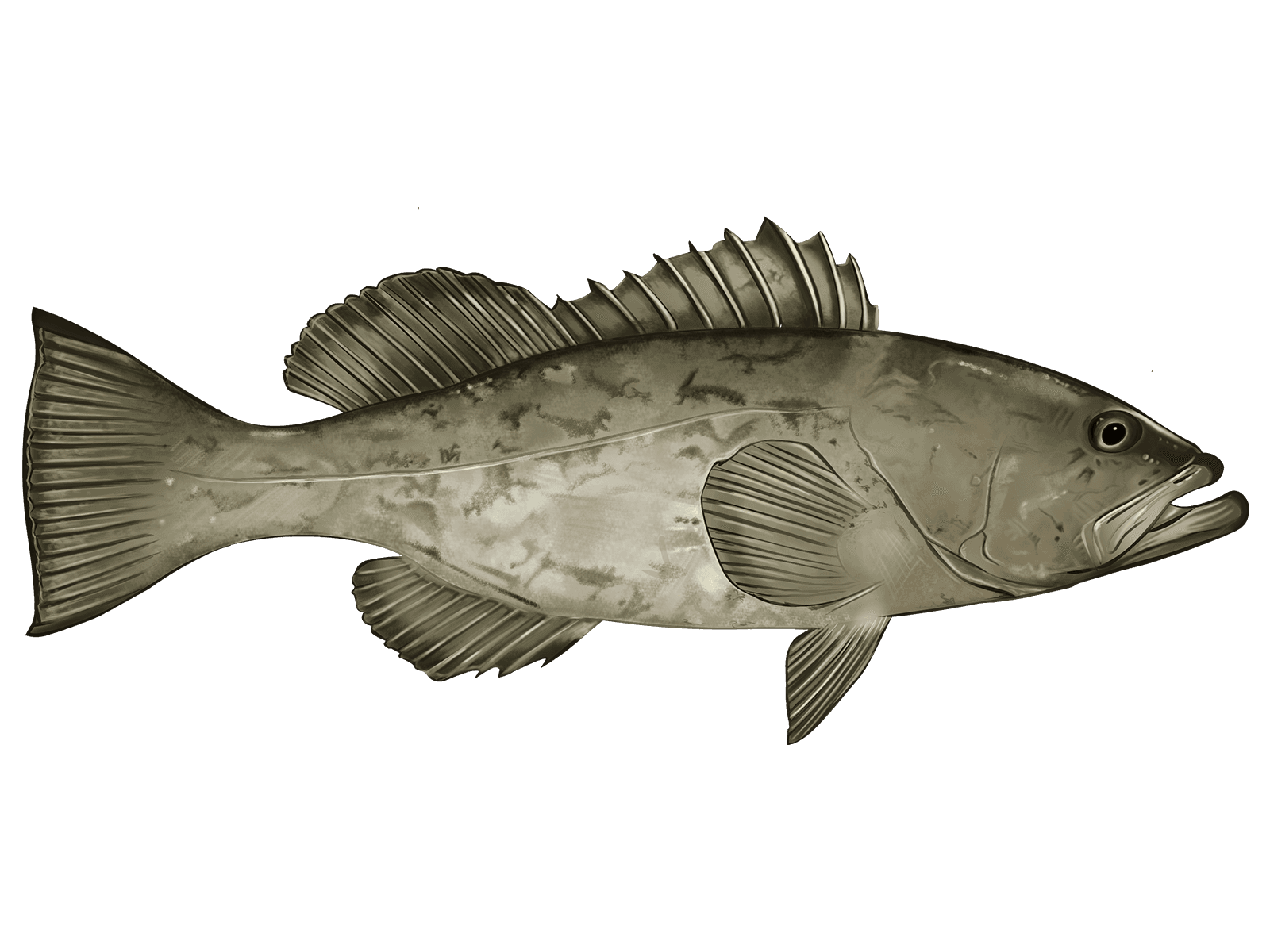
 Gag Grouper
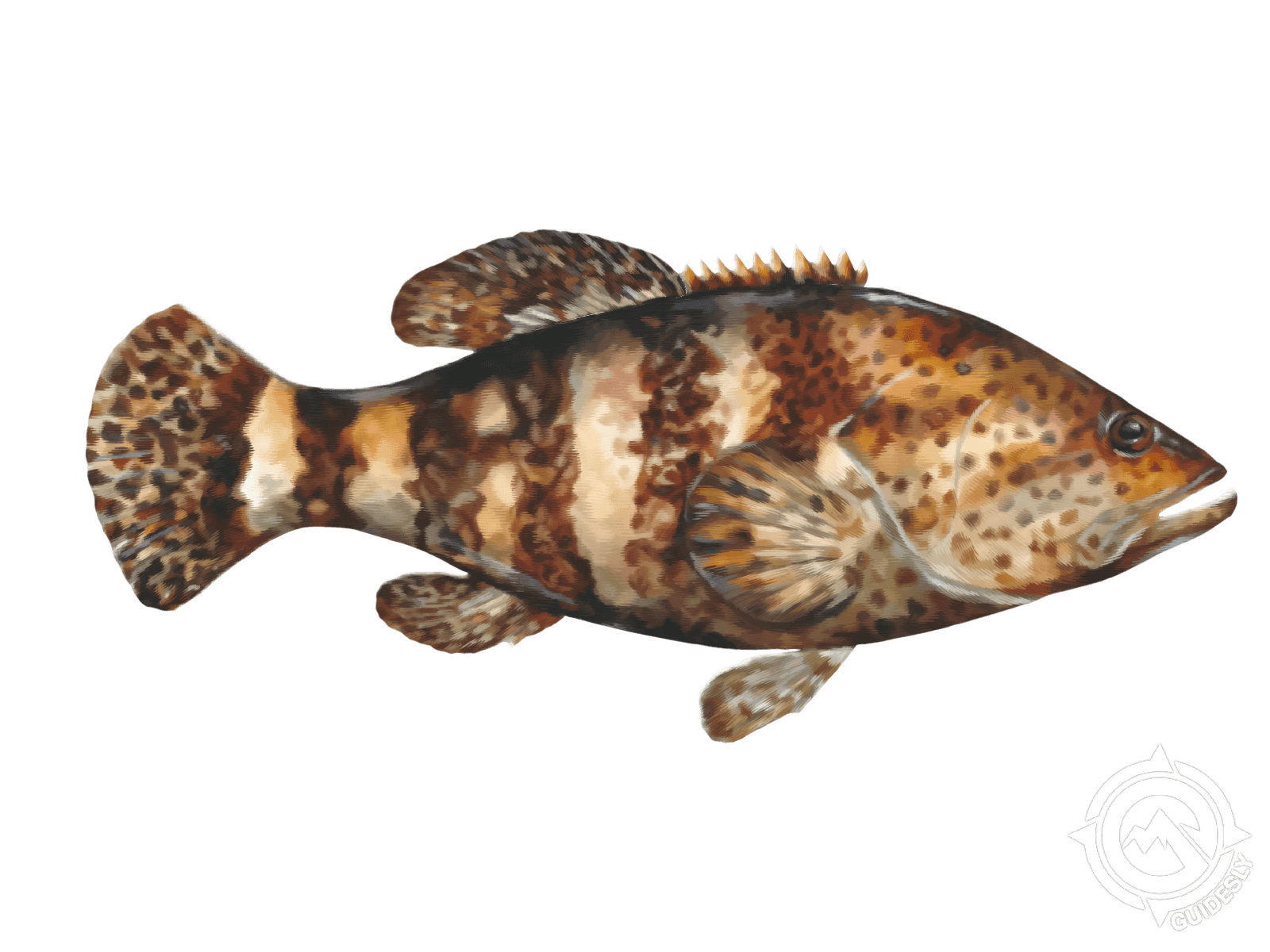
 Goliath Grouper
 Great Barracuda
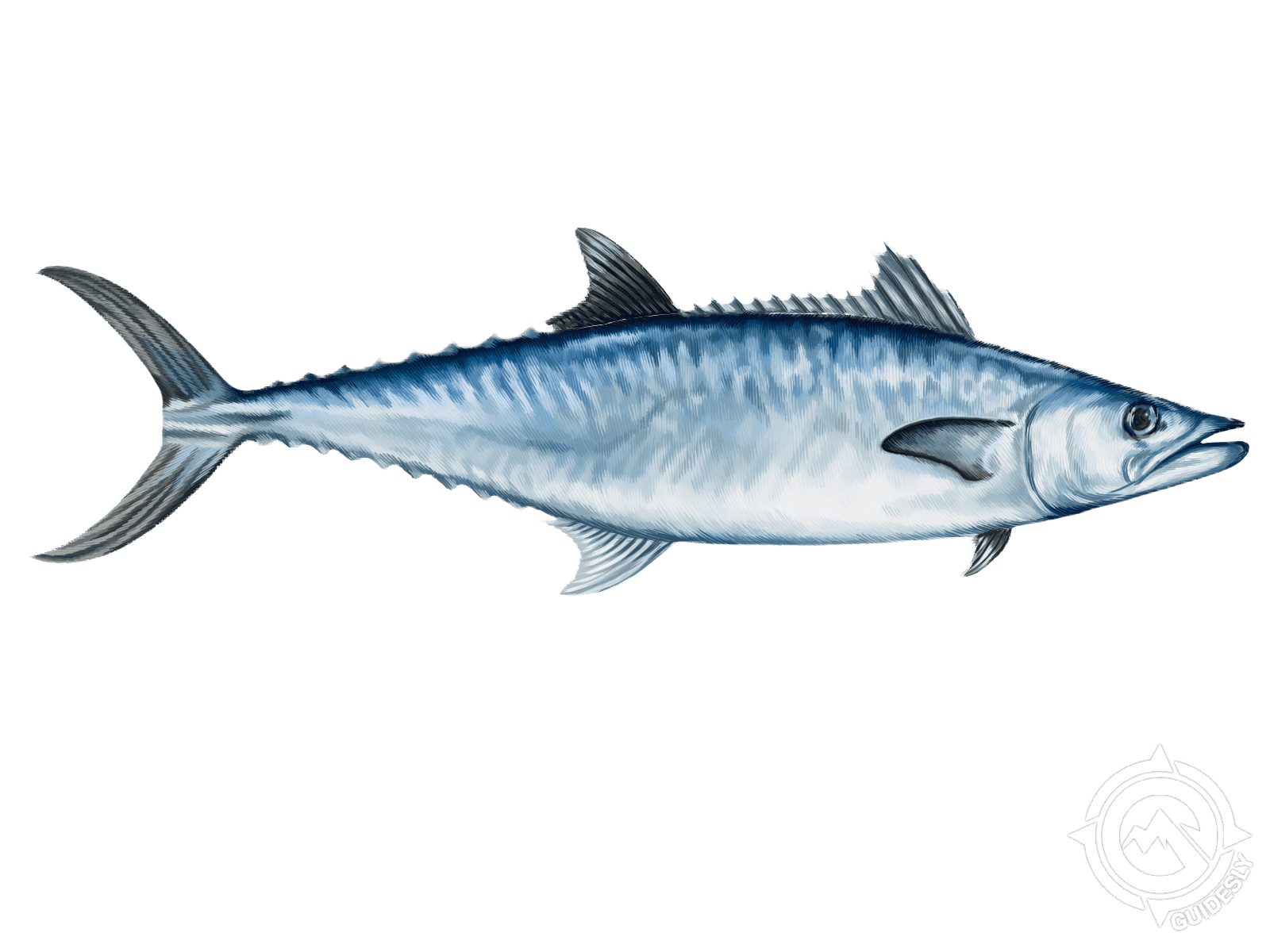
 King Mackerel
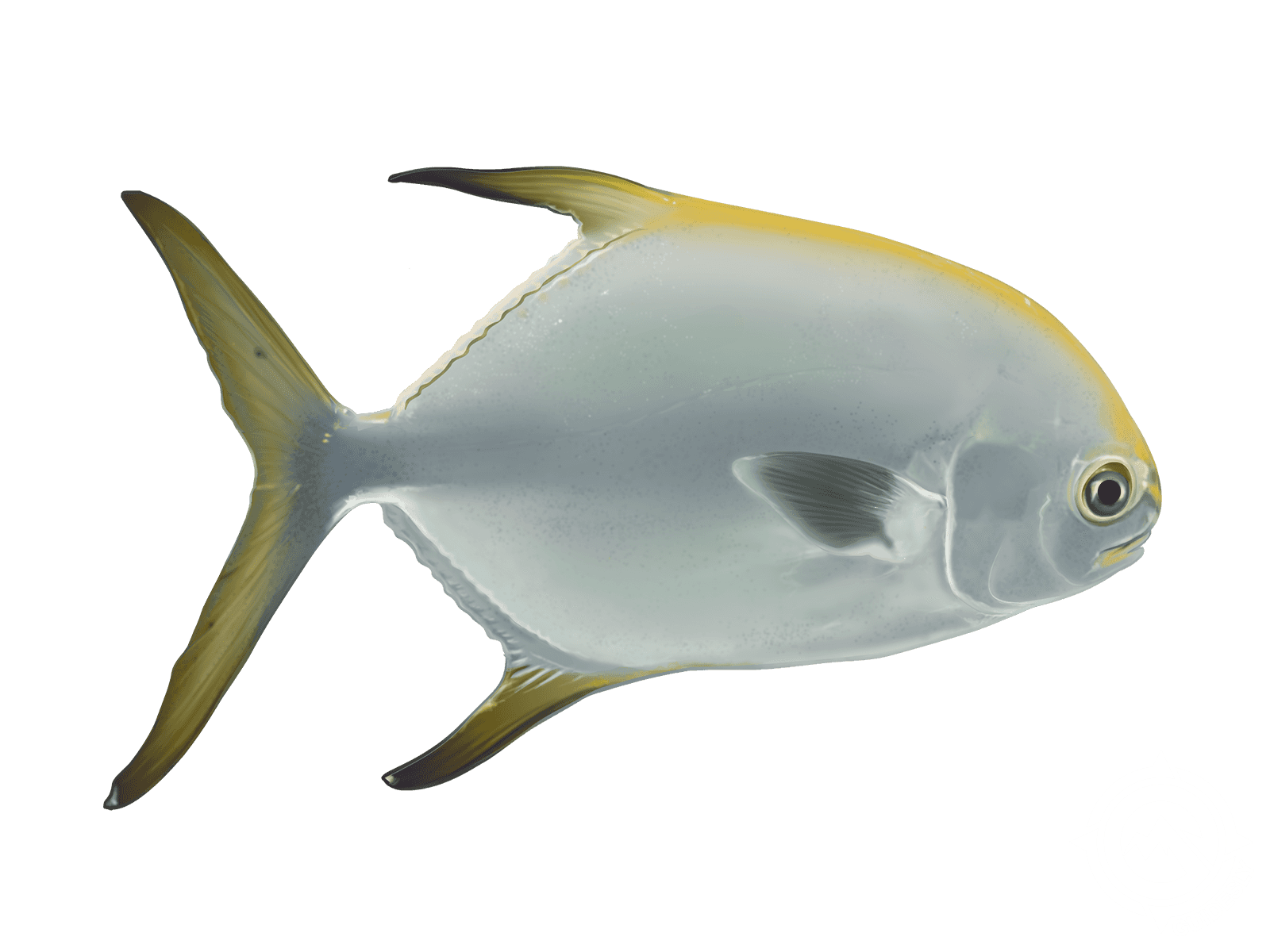
 Permit
- 6-hour offshore fishing adventure targeting Grouper, Mackerel, and Permit
- Spacious Mako center console accommodates up to 6 passengers comfortably
- Expert Captain Joseph Fuentes provides all necessary gear and local expertise
Trip Pricing and Availabilities:
Naples' Premier Offshore Fishing Adventure
Get ready to feel the rush of big game fishing off the coast of Naples, Florida. Captain Joseph Fuentes is your ticket to some of the best offshore action in the Gulf. We're talking monster grouper, lightning-fast barracuda, and the coveted permit – all waiting for you just beyond the horizon. This 6-hour trip is the real deal, perfect for anglers itching to tangle with Southwest Florida's heavyweights.
What to Expect on the Water
Step aboard our slick Mako center console, and you'll know you're in for a treat. We've got room for up to 6 folks, so bring your crew or make some new fishing buddies. As we cruise out of Naples, keep your eyes peeled for dolphins playing in our wake. Once we hit our secret spots, it's go-time. Whether you're a seasoned pro or it's your first time wetting a line, Cap'n Joe's got you covered with top-notch gear and decades of local know-how. We'll be targeting the big boys – gag and goliath grouper that'll test your arms, king mackerel that'll make your reel sing, and if we're lucky, some permit that'll give you bragging rights for years.
Fishing Techniques & Gear
On this trip, we're pulling out all the stops. For those grouper, we'll be dropping live bait or jigs deep – and when I say deep, I mean you might think your line's never gonna stop. It's a workout, but man, when that rod bends double, you'll know why we do it. For the speedsters like king mackerel and barracuda, we might do some trolling. Picture this: lines out, lures skipping across the surface, and then BAM – fish on! And don't even get me started on permit fishing. These guys require finesse. We'll sight-cast to them with light tackle, and if you can entice a bite, hold on tight. The gear's all provided, so just bring your game face and maybe a pair of pliers for those trophy pics.
Top Catches This Season
Offshore fishing in Naples is on fire right now. Last week, we had a group land a 300-pound goliath grouper – took three guys to haul it up for a photo before we released that beast. King mackerel have been running hot, with several in the 40-pound range hitting our lines. And let me tell you about the permit – we found a school over a wreck that was so thick, you could've walked across their backs. One lucky angler even managed a 'Naples Slam' – grouper, king, and permit all in one trip. That's the kind of day we're aiming for every time we leave the dock.
Species You'll Want to Hook
Gag Grouper: These bruisers are the bread and butter of Naples offshore fishing. They love to hang around rocky bottoms and reefs, often in water 60 to 200 feet deep. Gags can grow up to 50 pounds, and they fight like their life depends on it – because, well, it does. The thrill of battling a big gag up from the depths is hard to beat. They're most active in cooler months, making fall and winter prime time for grouper action.
Goliath Grouper: Talk about a bucket list fish. These gentle giants can tip the scales at over 500 pounds. They're catch-and-release only, but trust me, you'll never forget the day you hooked into one. Goliaths love structure, so we target them around wrecks and artificial reefs. They're here year-round, but summer brings the biggest concentrations as they gather to spawn.
King Mackerel: If you've got a need for speed, kings are your ticket. These sleek predators can hit speeds of 60 mph when they're chasing bait. We often find them in open water, and when they hit, your reel will scream. Kings average 10-20 pounds, but 40-pounders aren't uncommon. Spring and fall migrations bring the biggest numbers through our waters.
Permit: Ah, the permit – the holy grail of flats fishing that also venture offshore. These wary fish have eyes like hawks and will spook at the slightest mistake. But hook one, and you're in for the fight of your life. They love hanging around wrecks and reefs, often in schools. Spring and summer are prime permit time, and landing one of these silver dollars is a true badge of honor for any angler.
Great Barracuda: With a mouthful of razor-sharp teeth and a bad attitude to match, 'cudas are the pirates of the reef. They're ambush predators, often hanging motionless in the water before exploding on their prey. Barracuda can grow up to 6 feet long and put on an acrobatic show when hooked. They're here year-round, but the bigger ones tend to show up in warmer months.
Time to Book Your Spot
Listen, if you're looking for a run-of-the-mill fishing trip, this ain't it. But if you want to experience the best offshore action Naples has to offer, Captain Joe's Extended Half Day is your golden ticket. We're talking about 6 full hours of rod-bending, drag-screaming action with some of the Gulf's most sought-after game fish. From the moment we clear the pass until we're back at the dock, you'll be living the Southwest Florida fishing dream. So grab your hat, slap on some sunscreen, and let's make some memories on the water. The fish are biting, the boat's gassed up, and we've got a cooler with your name on it. Don't let this chance slip away – book now and get ready for the offshore adventure of a lifetime!
Learn more about the species
Gag Grouper
Gag Grouper (Mycteroperca Microlepis) Fish Description
The Gag Grouper appears to be one of the less aesthetically appealing fish among the Groupers. Some even describe the Gag Grouper as “drab” in appearance. Its fins are mostly composed are rays and have a laterally-compressed oblong body. However, it does have a similarity to the Black Grouper: it’s the box-shaped black spots on the back. Their dorsal fins have 11 spines mixed with 16-18 rays while their anal fins have 3 spins with a mix of 10-12 rays.
Female Gag Groupers are normally pale or medium grey in color. Their bodies have a more marbled appearance due to the wavy patterns covering their bodies. But the best way to tell a female and a male apart is through the dorsal fin. Unlike female Gag Groupers, a male Gag Grouper’s dorsal fin is reticulated. Color-wise however, they are also darker than female Gag Groupers. Their bellies and breast are usually dark gray, almost black.
Gag Grouper Diet and Size
Depending on their size, a Gag Grouper’s diet changes. Though, Gag Groupers are seen to prefer a variety of crustaceans such as crab and shrimp. They do like some fish and sometimes, an occasional squid.
An average Gag Grouper is 20 inches (50 cm) long. However, some have reported seeing a Gag Grouper reach 145 cm (57 inches) in length and weigh 36.5 kg (80 lbs).
Interesting Facts about the Gag Grouper
- Gag Groupers, when they mature, change sex from female to male.
- When they’re young, all Gag Groupers start out as females.
- However, Gag Groupers are more commonly female.
- Gag Groupers grow slowly. It usually takes them5-6 years to sexually mature.
- Juvenile Gag Groupers have a different habitat preference to adult Gag Groupers.
- Its scientific name microlepis means small scales in Latin.
- Gag Groupers can live up to 30 years.
- Red Tide can heavily affect Gag Grouper populations.
Gag Grouper – Fishing Techniques: How to Fish for a Gag Grouper
The first thing to look for is a place that can serve as shelter. Gag Groupers like hiding so, they would make use of any structure that can serve as shelter. Young Gag Groupers prefer staying inshore and in shoals until they mature. Older Gag Groupers loiter around offshore reefs and shipwrecks. Usually, when fishing for Gag Groupers, they are usually accompanied by Kingfish and Spanish Mackerel. At times, they’re also accompanied by Blacktip and Spinner Sharks. They’re found chasing herrings that swarm near the beach.
Others advise looking for stone crab traps. Since Gag Groupers love crab, they’ll most likely go to a place where crabs hide.
When it comes to bait choice, Gag Groupers love live bait. They prefer mullet and pinfish. However, some anglers have reported having success with also cut bait like octopus, squid, and crabs. Other options include using Pilchards, Cigar Minnows, and Grunts.
For your equipment, it depends on where you are. In Florida, you’re required to use a circle hook when going bottom fishing. But some say that the standard equipment will do. Standard rod with a 40-pound line works but people have done well even with a 20-30 one. Make sure that your bait is hooked on well but with the barb still sticking out.
When going for the Gag Grouper, be prepared to wrestle with it. Once they snag your bait, they’ll want nothing but to drag their food back to the depths where they came from. They’ll try to run against the rocks to make sure they don’t get fished out. To avoid that, make sure the reel’s locked and don’t let it freewheel otherwise it’ll give them a chance to dive into a hole. To make it easier, some people advise keeping your rod low so it’s easier to just yank them out of the water.
Gag Grouper Habitat and Distribution
Gag Groupers like staying in coastal waters with a lot of rocky structures. Some of their preferred rocky structures include rocky bottoms and reefs. They also like loitering near drop-off walls in the deep waters. But the younger Gag Groupers like staying more in the seabed.
Goliath Grouper
Goliath Grouper live up to their name - these monsters can grow over 8 feet long and weigh up to 800 pounds. You'll find them lurking around reefs, shipwrecks, and rock piles in waters from 20 to 150 feet deep. They're most active in summer and fall. Goliaths are catch-and-release only due to past overfishing, but they're still a blast to target. These fish put up a short but intense fight, with that first pull strong enough to yank you right off the boat if you're not careful. Use heavy gear - we're talking 50-80 wide reels and 600-pound test line. Anchor close to structure, but far enough away to pull them out before they can break you off. Drop large live baits like blue runners or jacks and get ready for action. Remember, these fish are protected, so handle them gently and release them quickly.
Great Barracuda
Great Barracuda are the toothy terrors of the reef, growing up to 6 feet long and over 100 pounds. You'll find them lurking around shallow reefs, wrecks, and channel edges in depths from 20 to 100 feet. They're active year-round but especially aggressive in warmer months. Anglers love 'cudas for their savage strikes and acrobatic fights, often clearing the water in spectacular leaps. These fish are pure muscle and speed, capable of short bursts up to 35 mph. Trolling with tube lures or casting topwater plugs are effective tactics. A local tip: when you see one following your bait, speed up your retrieve to trigger their predatory instinct. Watch those teeth when landing them - we always use a net and gloves. While not prized for eating due to potential ciguatera poisoning, barracuda are a blast to catch and release.
King Mackerel
King Mackerel, or "Kingfish," are speed demons of the sea, known for blistering runs that'll smoke your reel. They typically weigh 15-30 pounds but can top 90. Look for them in waters 40-150 feet deep, often near drop-offs or structure. Spring and fall migrations offer prime fishing as they follow bait schools. Kings are popular for their hard fights and decent table fare, though watch out for high mercury levels in bigger fish. Trolling with live bait like blue runners or mullet is deadly effective. A local tip: use a stinger rig with two hooks to improve your hookup ratio, as kings often strike the back half of the bait. Keep your drag set light and be ready for sudden, screaming runs when a big one hits. These fish are a blast on light tackle, but be prepared for some acrobatics at the boat.
Permit
Permit are the holy grail for many anglers - notoriously picky eaters with incredible eyesight. They usually run 15-30 pounds but can reach 60. You'll find them tailing on shallow flats in 2-4 feet of water or hanging around offshore wrecks and reefs. Spring and summer are prime, especially around the full moon when they spawn. Anglers love permit for the challenge - they're one of the toughest fish to fool on a fly or lure. Their deeply forked tail and sickle-shaped fins make for a brutal fight once hooked. Live crabs are the go-to bait, but soft plastic imitations can work too. A local secret: look for them following stingrays on the flats, as they often snatch up disturbed crustaceans. When sight-fishing, make long, accurate casts and let your bait sink naturally. Patience and stealth are key with these wary fish.
About the Mako (Center console)
%2F%2Fusers%2F07790dff-4fa1-43da-bee2-288bda18ca2c%2Fvehicle_picture%2F355129024_582862717300903_1746104862341624084_n.jpg&w=1920&q=75)
Vehicle Guest Capacity: 6
Manufacturer Name: Yamaha
Maximum Cruising Speed: 38
Number of Engines: 2
Horsepower per Engine: 200